
A Guide to
Heat Pumps

Everything you need to know about air source heat pumps – from how they work to installation and savings.

Heat pumps represent a revolutionary approach to home heating, offering an energy-efficient, environmentally friendly alternative to traditional gas and oil boilers.
Through our Power Up Homes Scheme, we're focusing specifically on Air Source Heat Pumps (ASHPs) – making this proven technology more accessible and affordable for local residents, by securing discounts of up to 25% discount compared to standard market prices.
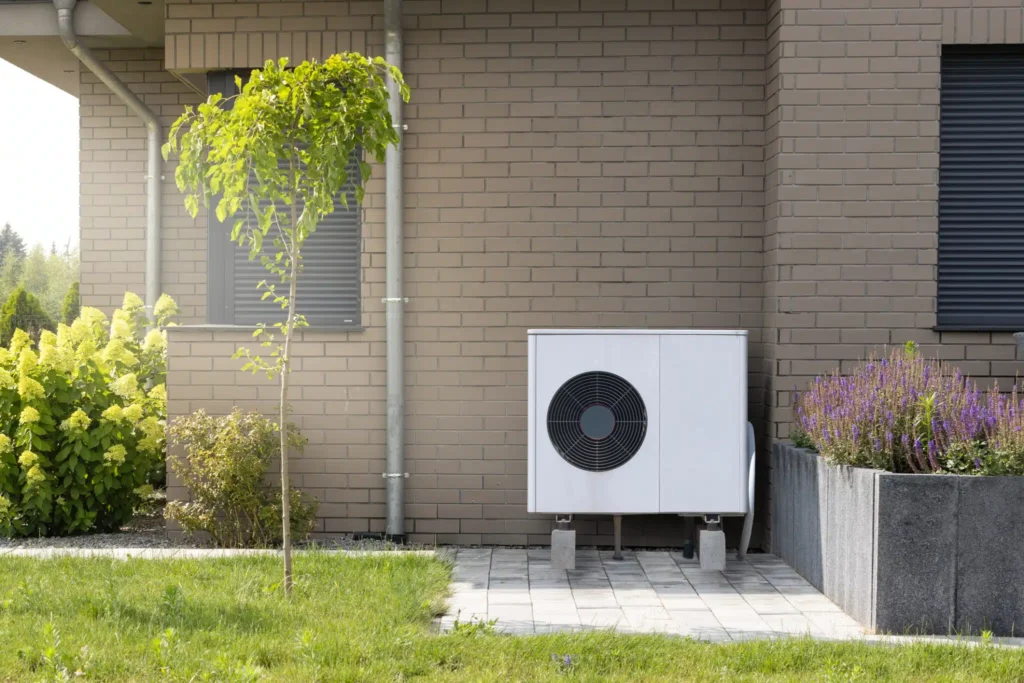
Let's find out

What Are Heat Pumps?

Heat pumps are innovative heating systems that transfer heat from one place to another using a small amount of electricity. There are several types of heat pumps available:

Focus of Our Scheme: The Power up homes scheme specifically focuses on Air Source Heat Pumps (ASHPs), as they offer the most practical and cost-effective solution for most UK homes.

How Air Source Heat Pumps Work

An air source heat pump operates through a four-stage refrigeration cycle:

01

Evaporation

The heat pump extracts warmth from the outside air using a refrigerant that absorbs heat and turns from a liquid into a gas.

02

Compression

This gas is compressed by an electrically powered compressor, which raises its temperature significantly.

03

Condensation

The hot refrigerant gas passes through a heat exchanger, transferring its heat to your home's heating and hot water system.

04

Expansion

The cooled liquid refrigerant passes through an expansion valve, lowering its pressure so it can absorb more heat from the outside air.

Benefits of Air Source Heat Pumps

Air source heat pumps offer three major advantages for homeowners looking to transition to sustainable heating:

1.Highly Efficient Heating
With a Coefficient of Performance (CoP) of 3-4, air source heat pumps deliver up to 4 units of heat energy for every unit of electricity used.

2.Lower Running Costs
By efficiently heating your home, a heat pump can reduce the energy required compared to traditional heating systems, especially when replacing older, less efficient systems or fuels like oil, LPG, or direct electric heating.

3.Off-Peak Savings
When paired with time-of-use electricity tariffs, heat pumps can further lower your energy bills by operating during cheaper rate periods.

1.Reduced Upfront Costs
The UK government's Boiler Upgrade Scheme provides a £7,500 grant, significantly lowering the initial investment needed for transitioning to this energy-efficient heating system.

2.Available for All Homeowners and Small Businesses
All homeowners and small businesses are eligible for the grant.

3.Simple Application Process
The scheme is straightforward, with approved installers handling the entire process on your behalf. We will keep you updated every step of the way.

4.Affordable Installation
With the BUS grant and our Power Up Homes discount of up to 25%, the installation cost becomes much more accessible.

1.Efficient Energy Conversion
Air source heat pumps use electricity to transfer heat, requiring significantly less energy than traditional fossil fuel-based systems. For every unit of electricity used, they typically produce 3-4 units of heat energy.

2.Reduced Fossil Fuel Use
Unlike gas or oil boilers, heat pumps don't burn fuel to generate heat, cutting down on direct CO2 emissions.

3.Renewable Energy Integration
When powered by renewable electricity or smart tariffs, heat pumps can achieve near-zero CO2 emissions. They pair exceptionally well with solar PV systems, creating a comprehensive home energy solution2.

4.Lower Carbon Footprint
A typical heat pump can reduce a home's carbon emissions by approximately 2.5 tonnes per year when replacing a gas boiler, and even more when replacing oil or direct electric heating3.

Suitability Assessment

Installation Considerations

Most homes in the UK are suitable for heat pumps, regardless of age, type, or construction. Key considerations include:

Space Requirements

Outside space for the heat pump unit (washing machine size) and inside space for a hot water cylinder

Insulation

While not essential, good insulation helps heat pumps operate more efficiently

Heating Distribution

Work best with larger radiators or underfloor heating

Planning Permission

In most cases, heat pump installations are considered "permitted development" and don't require planning permission. However, there are exceptions for listed buildings and conservation areas, so it's always advisable to check with your local planning department beforehand.

Our Purpose

What Happens During a Technical Home Survey?

A comprehensive heat loss assessment ensures your heat pump system is precisely tailored to your property's specific requirements. This technical evaluation guarantees optimal efficiency, performance, and value for your investment.

01

Property Analysis

The surveyor examines your home's structure, construction era, and building materials. They'll note any evidence of insulation improvements to walls, lofts, floors, and upgraded glazing systems.

02

Detailed Measurements

Precision laser tools capture exact dimensions of each room, window, and existing radiator. This data creates a comprehensive thermal map to calculate your property's heating requirements.

03

Optimised System Planning

Advanced software processes the data to specify the ideal heat pump capacity and hot water cylinder size. The analysis highlights any radiator upgrades needed for peak efficiency.

During Your Visit

Preparation Checklist

What Happens After Survey?

Your Technical Expert

Expect a knowledgeable heating system specialist who arrives punctually – definitely not a pushy salesperson! Your surveyor brings comprehensive expertise in renewable heating technologies and welcomes all technical enquiries.

Following Your Survey

The technical team will complete your bespoke heat pump system design and prepare a detailed quotation reflecting the survey findings and your property's specific needs.

Getting Started

Ready to explore whether an air source heat pump is right for your home? Here's how our simple process works:

01

Register Interest

Quick 5-minute registration with basic home details. No commitment required.

02

Group Buy

Suppliers compete for your business via reverse auction. Save up to 25% through collective buying power.

03

Your Power Up Plan

Receive a tailored proposal showing installation costs, and available grants. Pay £125 - £250 deposit to proceed, with no obligation.

04

Professional Installation

Expert home survey, specifications and design, MCS-certified installation, quality assurance and comprehensive warranties for peace of mind.

Get Discount

Complete our simple no obligation registration process to participate in the group-buy auction process and access discounts of up to 25% compared to standard market rates.

Power Up Homes logo
Join your neighbours in our community group buy scheme for Heat Pumps, Solar and Battery storage. Save up to 25% on installation while supporting local business.

© 2026. Power Up Homes is delivered by RetrofitWorks Cooperative Ltd. All rights reserved.

Scroll to Top